How Case Management Systems Enhance Student Wellbeing and Support
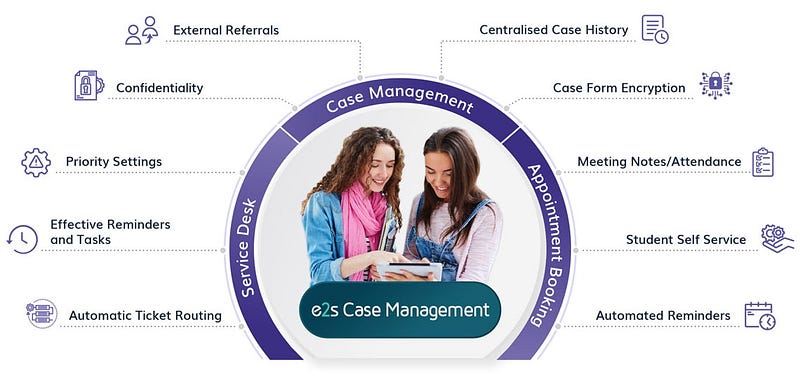
In today’s educational landscape, supporting the holistic development of students goes beyond academic achievement. As schools and higher education institutions face increasing demands to address students’ mental health, emotional needs, and personal development, Student Case Management Software has emerged as a powerful tool to provide comprehensive and personalized support. These systems not only streamline support services but also enhance overall student wellbeing. This article explores how Case Management Software in Higher Education contributes to student wellbeing, including its role in monitoring mental health, improving coordination between staff, offering personalized support, utilizing data for better decision-making, and shaping the future of student services.
Overview of Case Management Systems (CMS)
At its core, Case Management Software in Higher Education is designed to streamline the management of student cases, particularly for those needing additional support services. These platforms centralize and organize information related to students’ academic performance, mental health, and social development, providing a comprehensive view of their student wellbeing. They allow administrators, counselors, and faculty to track, manage, and intervene in a student’s journey, ensuring that support is timely and tailored to their needs.
In higher education settings, Student Case Management Software typically integrates with other campus systems, including learning management systems (LMS) and student records, creating a comprehensive approach to supporting student wellbeing. By providing a single platform where all relevant information can be accessed, these systems allow for more coordinated efforts in supporting students who may be facing personal, academic, or emotional challenges. This holistic approach is essential for maintaining overall student wellbeing.
Student Wellbeing: A Holistic Approach
Student wellbeing is multifaceted and encompasses not just academic success, but mental health, emotional growth, and social functioning. Case Management Software in Higher Education helps institutions monitor and manage these various aspects, making it easier to provide comprehensive support for student wellbeing.
- Mental Health Support: Mental health is an essential component of student wellbeing, and it has become a growing challenge in higher education. With increasing numbers of students reporting anxiety, depression, and other emotional struggles, Student Case Management Software allows institutions to track students’ mental health over time. These systems often include features for assessing mental health through surveys or check-ins, enabling early identification of students who may need counseling or further support. This proactive approach to mental health is vital for improving overall student wellbeing.
- Academic Support: Case Management Software in Higher Education plays a critical role in supporting student wellbeing by helping institutions track students’ grades, attendance, and participation in courses. When academic performance declines, these systems can flag at-risk students, ensuring that timely academic advising or tutoring is provided. By addressing academic challenges early, institutions can help prevent stress and burnout, which are major threats to student wellbeing.
- Social and Emotional Development: Social and emotional development is a key aspect of student wellbeing, and Student Case Management Software helps monitor these areas by allowing faculty and counselors to log behavioral observations, interactions with peers, and emotional states. This data creates a full picture of a student’s overall wellbeing, leading to more effective interventions that enhance student wellbeing.
Efficiency in Coordination: Seamless Communication and Collaboration
One of the key advantages of Student Case Management Software is its ability to improve communication and coordination among the various departments supporting students. In higher education institutions, students may interact with a variety of support services, including academic advisors, mental health professionals, financial aid officers, and career counselors. Without a centralized system, these efforts can become fragmented, threatening the continuity of student wellbeing.
Case Management Software in Higher Education centralizes all student data, ensuring that everyone involved in a student’s support plan has access to the same information. This reduces redundancy and miscommunication, fostering a more coordinated and efficient approach to supporting student wellbeing. By streamlining communication, CMS platforms help ensure that students receive comprehensive and continuous support, enhancing their overall student wellbeing.
Personalized Support: Tailoring Interventions to Individual Needs
Every student is unique, and a one-size-fits-all approach to support is rarely effective. Student Case Management Software empowers higher education institutions to offer personalized support by using data to build a complete picture of each student’s needs. This personalization is essential for promoting student wellbeing.
These platforms collect data from multiple sources academic performance, mental health history, behavior, and even extracurricular involvement and use this information to design tailored support plans. For example, a student struggling with both academic challenges and anxiety could receive both counseling services and academic tutoring through a personalized support plan. By addressing specific needs, these interventions greatly enhance student wellbeing.
Furthermore, Case Management Software in Higher Education enables institutions to track the effectiveness of these interventions, adjusting them over time based on student progress and evolving needs. This ongoing refinement ensures that students are always receiving the most appropriate support to improve their student wellbeing.
Data-Driven Decisions: Informing Interventions with Analytics
Data is one of the most valuable tools for improving student wellbeing, and Student Case Management Software leverages data analytics to make this process more effective. By analyzing patterns in student behavior, academic performance, and health, schools can detect early warning signs of students at risk for failure, dropping out, or experiencing other negative outcomes that threaten their student wellbeing.
For example, through Case Management Software in Higher Education, institutions can aggregate data on student engagement, grades, and mental health status to identify students who may need extra support. Early intervention is key to preventing problems from escalating and ensuring the continued student wellbeing of those students.
Moreover, the use of data analytics helps institutions assess the impact of their support programs. By tracking how students perform after receiving various interventions, institutions can continuously improve their support services, ensuring that resources are being allocated in ways that enhance student wellbeing.
Case Studies: Real-World Examples of CMS in Action
- University of California, Berkeley: UC Berkeley uses Case Management Software in Higher Education to manage students’ mental health and academic support services. The system integrates student data from various departments, allowing counselors, advisors, and faculty to collaborate in real-time. By centralizing student information, the university has significantly improved its ability to intervene early and offer targeted support, which has positively impacted student wellbeing.
- University of Michigan: The University of Michigan employs Student Case Management Software to help track and support students dealing with academic, behavioral, or emotional challenges. The system allows faculty and support staff to monitor students’ wellbeing across different stages of their college journey. This holistic approach has resulted in improved student wellbeing and retention rates, particularly in terms of mental health support.
The Future of Case Management in Education
As technology continues to advance, Case Management Software in Higher Education is likely to evolve with it. The future of CMS may see even greater integration with artificial intelligence (AI) and machine learning, which could help predict student needs with greater accuracy. For instance, AI algorithms could identify patterns that indicate a student might be struggling academically or emotionally before the issue becomes apparent to staff.
Additionally, the rise of mobile apps and real-time communication tools could make Student Case Management Software even more accessible to both students and staff. Students could potentially receive real-time updates on their progress, communicate with their case managers through secure messaging, and access personalized resources directly from their mobile devices, further promoting student wellbeing.
Moreover, advancements in data analytics and predictive modeling could help institutions transition from reactive to proactive approaches in supporting students. With the help of Case Management Software in Higher Education, institutions could intervene earlier and more effectively, preventing issues from escalating and fostering a more supportive environment for student wellbeing.
Conclusion
Student Case Management Software is transforming how higher education institutions approach student wellbeing and support. By improving coordination, providing personalized interventions, and enabling data-driven decisions, CMS platforms are enhancing the student experience and ensuring that students receive the support they need to thrive academically and personally. As these technologies continue to evolve, Case Management Software in Higher Education will play an increasingly critical role in shaping a more supportive, data-driven, and holistic educational environment, paving the way for better outcomes and improved student wellbeing for all students.


Comments
Post a Comment